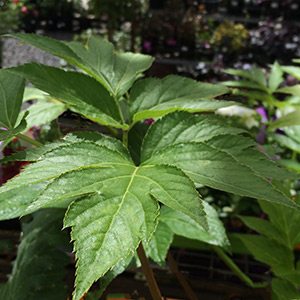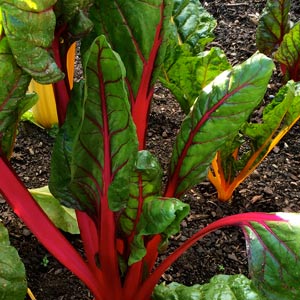

Leafy greens are one of the easiest and most productive crops you can grow.
- They’re fast.
- They’re nutrient dense.
- And many are ready to harvest in as little as 4–6 weeks from seed.
- Some are eaten fresh in salads.
- Others are perfect for stir fries and soups.
- Many can be harvested again and again.
In this guide, we’ll cover:
- What qualifies as a leafy green
- The best leafy greens to grow at home
- How to grow them successfully
- Why containers work so well
- Links to detailed growing guides for each variety
If you’re new to growing vegetables, leafy greens are the ideal place to start.
What Are Leafy Greens?
Leafy greens are vegetables grown primarily for their edible leaves.
While lettuce is the most common example, many other plants fall into this category — including some cabbages, mustards and even perennial herbs.
Darker coloured varieties are often considered more nutrient-rich, but flavour and texture vary widely. Some are sweet and buttery. Others are peppery or slightly bitter.
Choosing the right variety comes down to:
- Your climate
- Your taste preference
- Whether you prefer raw salads or cooked greens
- How much space you have

Best Leafy Greens to Grow (With Guides)
Below are some of the most reliable and productive leafy greens for home gardens. Each links to a detailed growing guide.
🌿 Amish Deer Tongue Lettuce
- A loose-leaf heirloom with pointed leaves and excellent flavour.
Harvest outer leaves and it keeps producing. - Best for: Salads and light cooking.
🌿 Ashitaba
- A perennial leafy green known for its high antioxidant content. Extremely productive once established.
- Best for: Continuous harvesting and nutrient-dense greens.
🌿 Mizuna
- A fast-growing Japanese mustard green with a mild peppery flavour.
- Best for: Cut-and-come-again harvests.
🌿 Kale
- Hardy and versatile. Some varieties are excellent raw, others best cooked.
- Best for: Cool climates and long harvest seasons.
🌿 Swiss Chard (Silverbeet)
- One of the easiest leafy greens to grow. Very productive and more heat tolerant than most lettuces.
- Best for: Beginner gardeners and warmer climates.
🌿 Tokyo Bekana
- Technically a cabbage, but used like lettuce. Mild flavour and highly productive.
- Best for: Cool and warm climates.
🌿 Rouge d’Hiver (Cimmaron)
- Meaning “Red in Winter,” a cool-season lettuce with sweet, buttery leaves.
- Best for: Autumn and winter growing.
🌿 Claytonia perfoliata (Miner’s Lettuce)
- Excellent for cooler climates and shaded areas.
- Best for: Winter harvests.
How to Grow Leafy Greens Successfully
Leafy greens are easy — but consistency is key.
1. Choose Non-Heading Varieties
Loose-leaf types are easier than heading lettuces.
Harvest outer leaves and they reshoot — known as “cut and come again.”
2. Keep Soil Moist
Most leafy greens prefer evenly moist soil.
Drying out can cause bitterness or bolting.
3. Use Self-Watering Pots
Because lettuce and many greens prefer consistent moisture, self-watering containers make growing easier.
They:
- Reduce watering stress
- Prevent soil drying out
- Improve growth consistency
- Are ideal for beginners
4. Use Quality Potting Mix
Good drainage with strong water retention is important. Cheap mixes often fail here.
5. Feed for Leaf Growth
Leafy greens respond well to nitrogen.
Use:
- Slow-release fertiliser at planting
- Liquid fertiliser every few weeks
6. Provide Bright Light (But Avoid Extreme Heat)
Most greens prefer:
- Morning sun
- Protection from hot afternoon sun
- Or partial shade
They can even be grown under taller crops like tomatoes.
Why Grow Leafy Greens in Containers?
Containers allow you to:
- Control soil quality
- Maintain moisture levels
- Move plants with the seasons
- Grow in small spaces
- Plant densely for baby leaf harvests
Many gardeners find leafy greens actually perform better in containers than in open beds.
Growing Guides for Leaft Green Varieties