
Here is a beginners guide on How to Grow Kankong from seed, also known as water spinach, this is a leafy green vegetable, grown throughout south-east Asia and particularly popular in Vietnam.
The botanical name is Ipomoea aquatica and both the leaves and the stems are used in stir fries, sautéed and the young leaves can also be eaten fresh in salads.
This is an easy to grow and fast growing vegetable and can be grown in containers indoors or outdoors.
How to Grow Kangkong from Seed
The main requirements are warmth and moisture and you can grow Kangkong from seed and also from cuttings.
In containers use a good quality potting soil and a tray or dish to retain moisture.
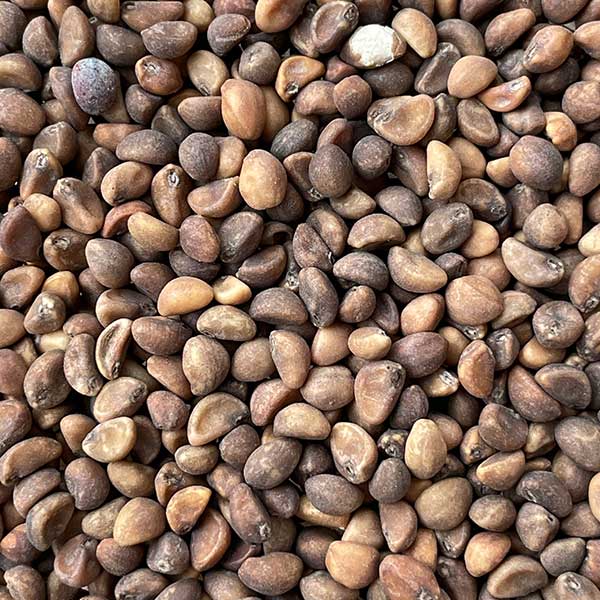
Soak the seeds in warm water for 24 hours before planting.
- Half fill the container with potting soil.
- Place a layer of organic fertiliser.
- Fill the pot to within 2cm of the top with potting mix.
- Spread the seeds over the top of the potting soil
- Water in
- Cover with 1 cm of potting soil and water in again.
- Keep the container in a warm position and refill the saucer with water every day.
- Water the top of the soil each day to keep it moist.
- Germination should take place within 4 – 5 days.
- In cooler climates use a cloche, mini greenhouse or other cover to maintain warmth.
Once the seeds have germinated water regularly, never allowing the soil to dry out.
- Grow in a position in full sun or afternoon shade in hot climates.
- Fertilise regularly to promote fast growth, slower growing plants tend to taste a little bitter.
- Generally Kangkong is best planted close together so the the stems, which tend to be weak, can support each other.
Plants should be ready to harvest in around 30 days, longer in cooler climates
How to Harvest Kangkong
Once the plants are around 30 days old you can harvest.
- The best time to harvest is early in the morning when temperatures are still cool, this helps prevent wilting.
- Use a sharp knife and cut back to the ground or to the 3rd large leaf from the tip.
- Place the harvested stems into clean water immediately.
Wash well and store in a cool position. You can store them standing in water covered with a plastic bag, or in a container in the refrigerator. However the fresher the Kangkong the better it is to eat.
Is Kangkong good for you?
Kangkong is said to be high in Iron and Protein. It is said to have anti-diabetes properties and also said to help liver function. Consult with your doctor for specific information.
Kangkong is also grown in China and is called ong choy in Cantonese or kōng xīn cài in Manderin, so “hollow heart vegetable” which refers to the hollow stems that allow it to take up sauces.
#kangkong #waterspinach #vegetable