
Overview
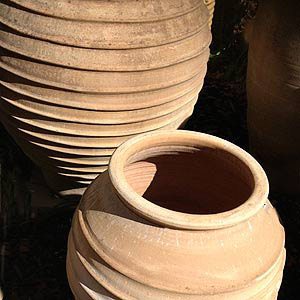
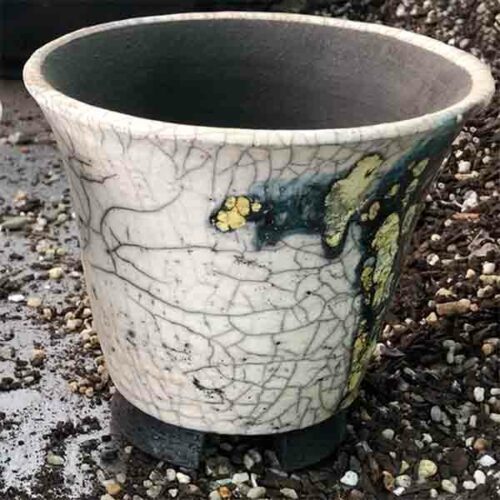
Lightweight garden pots are designed for gardeners who want the visual impact of large containers without the challenges of excessive weight. Using modern composite materials such as glass fibre reinforced cement (GRC) and fibreglass, these pots replicate the look of traditional terracotta or stone while remaining far easier to move and install.
They are widely used across residential gardens, courtyards, balconies, decks and interior spaces, as well as in commercial landscapes where size, consistency and manageability matter.
- Overview
- Materials and Construction
- Where Lightweight Garden Pots Are Most Useful
- Advantages of Lightweight Garden Pots
- Style and Design Options
- Practical Considerations Before Purchase
- Sourcing Lightweight Garden Pots in Australia
- Lightweight Pots vs Traditional Concrete or Ceramic Pots
- Buyer’s Checklist: Choosing the Right Lightweight Garden Pots
- More Garden Pots
Materials and Construction
Most lightweight pots are manufactured from moulded composite materials. GRC combines cement with glass fibres to improve strength while reducing overall weight. Fibreglass planters use reinforced resin systems that are strong, durable and adaptable to a wide range of shapes and finishes.
Because these pots are mould-made, manufacturers can offer consistent textures that closely resemble natural stone or fired clay, alongside clean-lined contemporary designs. Finishes may be neutral or bold, depending on the intended setting.
Where Lightweight Garden Pots Are Most Useful
Lightweight garden pots are particularly practical in situations where weight needs to be controlled or access is limited.
Common applications include:
- Balconies and decks where structural load must be carefully managed
- Rooftop gardens and elevated terraces
- Courtyards with limited access for heavy lifting
- Indoor plant displays requiring large statement containers
- Commercial and public landscapes needing uniform, oversized planters
Their reduced empty weight also simplifies delivery and installation compared with traditional concrete or ceramic pots.
Advantages of Lightweight Garden Pots
Easier handling and relocation
These pots are simpler to move when empty and more manageable even once filled with potting mix and plants. Larger sizes may still require a trolley or assistance, but the effort involved is significantly reduced.
Reduced structural load
Lower pot weight helps minimise stress on balconies, decks and other elevated structures. When planning large containers in these areas, always consider the combined weight of the pot, soil, plant and water, and seek professional advice if there is any uncertainty.
Suitable for large-scale designs
Advances in composite materials allow for extra-large planters that remain practical to transport and position. This makes it easier to incorporate substantial focal points into both residential and commercial landscapes.
Design flexibility and customisation
Some lightweight pots can be painted or refinished to suit a specific colour palette or design theme, offering flexibility where standard finishes are not ideal.
Style and Design Options
Lightweight garden pots are available in a wide range of forms, from classic shapes that echo traditional terracotta and stone to minimalist contemporary profiles. Moulded production techniques allow for detailed surface textures as well as smooth architectural finishes, supporting both heritage-style gardens and modern outdoor spaces.
New designs are introduced regularly, reflecting current landscape and architectural trends.
Practical Considerations Before Purchase
- Measure access points to ensure large pots can be moved into position
- Factor in the total planted weight, not just the empty pot
- Check whether drainage holes are pre-formed or need modification
- Confirm suitability for indoor or outdoor use depending on placement
Sourcing Lightweight Garden Pots in Australia
Several established suppliers distribute lightweight pots and planters nationally, offering ranges suitable for retail, trade and commercial projects. These suppliers provide access to different materials, sizes and styles, supporting both small-scale gardens and large installations.
Where To Buy
Wholesaler of garden pots and accessories from around the world. All pots available from our warehouse in Melbourne, for distribution Australia wide & overseas. Glazed Outdoor & Indoor, Atlantis, Thai Limestone, Old Stone, Lightweight Metro Light, Pret-a-Pot, Iron Rust, Rustic, Cast Iron.
www.kellockpotsandplanters.com.au

Wholesale * Trade * Retail * Commercial
GRC Pots, Light Weight Pots, Atlantis Feature Pots, Glazed Pots, Old Stone Pots, Fibreglass Pots, Water Features, Urns & Pedestals.
www.potsonline.com.au

Lightweight pots, Heavy weight pots & planters, urns, water features, statues, sculpture, bird baths and accessories Australia wide. Huge range, premium quality and best prices. Supplying retail, wholesale, corporate & trade
www.potsdirect.com.au

POTSONLINE – 1300 370 269
Lightweight Pots vs Traditional Concrete or Ceramic Pots
| Feature | Lightweight Garden Pots (GRC / Fibreglass) | Traditional Concrete or Ceramic PotsFeature |
| Weight | Significantly lighter when empty, making them easier to transport and position. | Heavy, even when empty, often requiring multiple people or machinery. |
| Handling | Easier to move around gardens, courtyards and interiors; large sizes may still need a trolley | Difficult to relocate once installed, particularly in larger sizes |
| Suitable locations | Balconies, decks, rooftops, courtyards, indoor spaces and commercial landscapes. Weight still needs to be appropriate to structural strength | Ground-level gardens and areas where structural load is not a concern |
| Size availability | Extra-large planters achievable without excessive weight | Large sizes available but can be impractical in some applications due to weight |
| Appearance | Replicates stone or terracotta finishes; also available in contemporary styles | Traditional finishes with a solid, a more natural look |
| Structural load impact | Lower load on decks and elevated structures when compared with heavy materials | High load, which may pose risks on balconies and raised areas |
Buyer’s Checklist: Choosing the Right Lightweight Garden Pots
Before selecting a lightweight garden pot, consider the following practical points to ensure it suits both the plant and the location.
1. Location and access
Confirm where the pot will be placed and how it will be moved into position. While lightweight pots are easier to handle than traditional options, extra-large planters may still require a trolley or assistance, particularly in confined spaces.
2. Structural load considerations
For balconies, decks and rooftops, calculate the combined weight of the pot, potting mix, plant and water. Lightweight materials help reduce load, but structural limits should always be respected. Seek professional advice if there is any uncertainty.
3. Pot size and proportions
Choose a size that allows adequate room for root growth while remaining practical to position. Lightweight materials make larger formats more achievable, but scale should suit the surrounding space.
4. Intended use: indoor or outdoor
Check whether the pot is designed for indoor, outdoor or dual use. Consider factors such as exposure to weather and the visual finish required for interior settings.
5. Drainage requirements
Confirm whether drainage holes are included or can be added if needed. Drainage is essential for most outdoor plantings and many indoor plants, depending on species and watering practices.
[INSERT INFO]
6. Style and finish
Lightweight pots are available in finishes that replicate terracotta or stone, as well as contemporary designs. Select a style and colour that complements the garden, courtyard or interior space.
7. Future repositioning
If you anticipate moving the pot as plants mature or layouts change, the reduced weight of lightweight materials can make ongoing garden adjustments far more manageable.
More Garden Pots