
Swiss chard, commonly known as silverbeet, is one of the most dependable leafy greens for the home garden.
Once established, it requires little attention and provides a steady harvest over many months.
Grown widely in European and Mediterranean food traditions, Swiss chard has long been valued as a nourishing green that bridges the gap between vegetables and everyday tonic foods. It is productive, adaptable, and well suited to gardeners of all experience levels.
About Swiss Chard
Swiss chard (Beta vulgaris subsp. vulgaris) is a leafy vegetable related to beetroot, grown for its leaves and stems rather than its root.
It is technically a biennial, though almost always grown as an annual for leaf production. Under good conditions it will continue producing new leaves for an extended period, making it one of the most economical greens to grow.
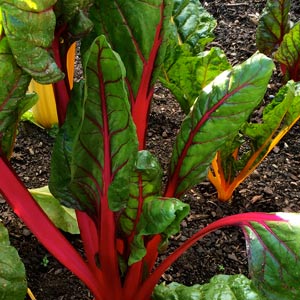
Rainbow chard varieties, with red, yellow, or orange stems, are particularly attractive and well suited to mixed vegetable or ornamental beds.
How to grow Silverbeet/Chard
Growing Silverbeet successfully requires a sunny position and can be grown almost year round in temperate areas of Australia. Prepare the soil well by digging in some well rotted compost and aged manure before planting. Rake over well to obtain a good even garden bed.
Climate & When to Plant
- Best suited to cool to temperate climates
- Can be grown almost year round in mild regions
- Performs best in:
- Autumn through spring
- Light shade during warmer months
- Frost tolerant once established
- Protect from extreme heat, which can cause wilting or bolting
Swiss chard matures quickly and can be harvested 8–12 weeks after planting.
Soil Preparation
Swiss chard thrives in a deep, fertile soil that holds moisture while draining freely.
- Ideal soil is:
- Humus-rich
- Well-drained
- Consistently moist
- Before planting, incorporate:
- Well-rotted compost or aged manure
- Blood and bone or similar organic fertiliser
- A seaweed solution to support early root growth
Good soil preparation is the key to tender leaves and continuous production.
Sowing & Planting
Growing from Seed
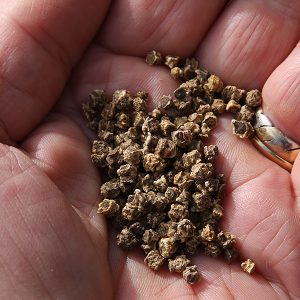
- Seeds benefit from overnight soaking to improve germination
- Sow directly into prepared beds or start in punnets
- Keep soil moist until germination
- Transplant seedlings once they reach 7–10 cm tall
- Space plants 30 cm apart
Planting Seedlings
- Widely available year round
- Plant into moist soil and water well
- Keep soil evenly moist until established
Swiss chard establishes quickly and is forgiving if conditions are not perfect.
Growing & Care
- Position: Full sun to part shade
- Watering:
- Regular watering is essential
- Avoid letting soil dry out completely
- Mulching:
- Helps retain moisture and suppress weeds
- Feeding:
- Light applications of liquid seaweed or fish emulsion
- Occasional nitrogen-rich fertiliser during active growth
Common Issues
- Wilting during hot weather — plants usually recover with watering
- Slugs and snails on young plants
- Leaf miners may damage foliage but rarely affect yield
- Downy mildew in cool, wet, poorly ventilated conditions
Good airflow and spacing reduce most disease problems.
Harvesting
Swiss chard is a classic cut-and-come-again vegetable.
- Begin harvesting when leaves are well sized
- Always remove outer leaves first
- Leave the central growing point intact
- Continue harvesting regularly to encourage new growth
Leaves are most tender when harvested young. Older leaves are best cooked.
Culinary & Nutritional Value
Swiss chard is a highly nutritious leafy green, valued for its mineral content and versatility.
- Rich in:
- Vitamin K
- Magnesium and potassium
- Folate
- Dietary fibre
- Supports:
- Bone health
- Circulatory function
- Digestive regularity
Leaves are best lightly cooked — sautéed, steamed, or added to soups and pies. The stems are traditionally used in stews and braised dishes, particularly in European cooking.
Swiss Chard Varieties
Swiss chard is available in many cultivars, all easy to grow:
- Fordhook Giant: Large, white-ribbed leaves; very productive
- Green White Ribbed: Classic silverbeet
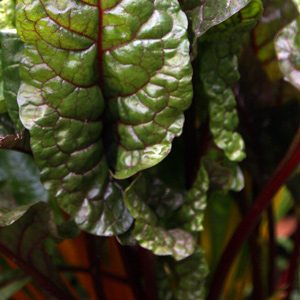
- Swiss Ruby / Red Chard: Red stems and veins
- Verde a Costa Bianca: Traditional Italian variety
- Rainbow Chard: Mixed stem colours; ornamental and productive
Smaller-growing varieties are well suited to container gardens.
Summary
- One of the easiest leafy greens to grow
- Long harvest period with minimal care
- Adaptable to a wide range of climates
- Nutritious, versatile, and reliable
- Suitable for garden beds, raised beds, and containers
Swiss chard is not a delicate or demanding vegetable. It is a practical, productive green that rewards steady care with continuous harvests — a true staple for the home garden.
Silverbeet V Chard
Silverbeet as we often call it is also known as Chard, Swiss Chard and sometimes is simply called spinach. Rainbow Chard are the varieties with brightly coloured stalks, usually red or yellow to orange.
Silverbeet Summary Information
Botanical name – Beta vulgaris subsp. vulgaris
Common Name – Silverbeet / Swiss Chard
- Soil – Humus rich well drained and fertile.
- Position – Full sun to part shade in warmer climates.
- Climate – Cool to Temperate
- Frost Tolerant – Yes
- Fertiliser – Dig in aged cow manure and Bone Meal before planting.
- Spacing / Planting Distance – 12” (30 cm)
- Height – 45 cm
- Spread – 30 cm
- Growth Rate – Medium to fast.
- Water requirements – Medium water requirements, moist yet well drained.
- When to plant – Year round in good conditions. Protect from very hot sun.
- How to plant – Plant seeds directly, or sow indoors and plant seedlings out after hardening off, and before they become to large. Seeds can be soaked overnight to improve germination rates.
- Harvesting – Harvest the whole plant before the leaves become to course . You can pick leaves from the outside as they come large enough.
- Problems –
Bolting – This occurs in warmer temperatures.
Wilting, a little hot weather can cause plants to wilt, they will bounce back with adequate water. - Pests and Diseases – Leaf miners, snails, slugs.
Downey Mildew – This occurs in cool wet conditions particularly when air flow is poor. Some varieties are more resistant than others.
A few leaf eating insects that can usually be removed by hand
Rabbits (build a fence
Companion Plants and Uses
Companion Plants – Onion, Lovage, Beetroot, Cabbage, Broccoli, Brussels Sprouts, Eggplant, Cauliflower, Kohlrabi, Strawberry and Turnip.
Uses – Chard is usually cooked. Excellent sauteed, steamed or as a substitute for spinach in traditional Spanakopita pie. The stalks are traditionally used in stews etc in Europe.
READ ABOUT