
Japanese Mustard Spinach
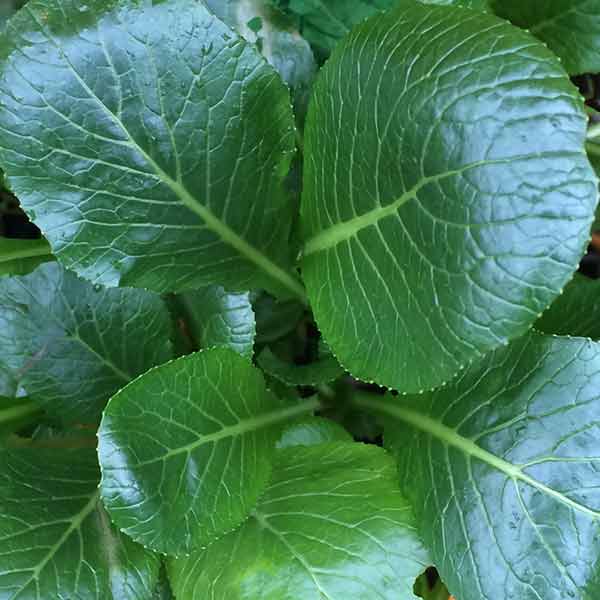
A leafy green vegetable Komatsuna is highly rated in Japan, it looks a little like spinach and has a mild mustard taste to it, hence the common name of Japanese Mustard Spinach.
What is Komatuma?
The botanical name is Brassica rapa var. perviridis, it is related to Bok Choy and it grows in the cooler months. It is easy to grow, can be picked sequentially and can be eaten cooked or raw.
This is a fast growing plant and can be sown in spring and a gain in autumn. The leaves develop a stronger taste as they mature.
It also comes in two colours, red and the more common green.
How is Koamtuma Used?
Widely used in stir -fries the young leaves are also picked for salad greens. You will find it braised with sesame seeds, soy sauce, garlic, shiitake mushrooms and other flavourings. It is used in Okonomiyaki. Look for recipes such as Komatsuna no Shira Ae.
How to grow Komatsuna
This is a cool season crop, so in warmer climates, sow in spring and late summer. In cooler climates in can be grown almost year round.
You can grow Komatsuna in pots or in the general vegetable garden.
A sunny position in a humus rich moist soil is best, provide some afternoon shade in warmer climates.
It is Best grown from seeds.
- Sow seeds into punnets or directly to the soil.
- Seeds should be sown thinly where possible. Plant will need to be around 20cm -30cm (8 – 12 inches) apart.
- We surface sow the seeds and then sift a thin layer of soil or potting mix over the top (around 1cm)
- Seeds should germinate in 10 – 5 days, plants should be thinned to around 30cm apart as they are tall growing. – The thinned plants can be cooked or you can try to replant them.
- Water regularly and fertilise with a liquid fertiliser every 2 weeks for good growth.
- Plants are ready for harvesting in around 30 – 40 days. Young leaves for salad can be picked earlier if required.
Harvesting Komatsuma
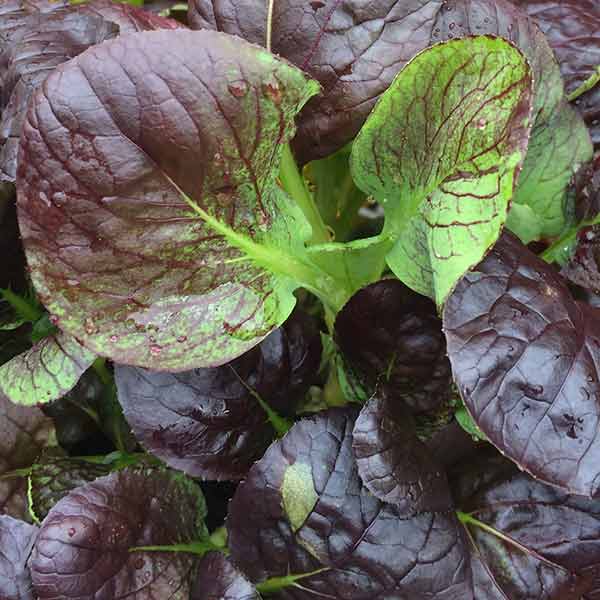
On of the great things about Komatsuna is that it can be harvested at any time once the leaves are large enough. Take a few outer leaves as needed and it will reshoot from the centre.
Komatsuna has slight mustardy taste, however not strong. The texture is crunchy when fresh and the new leaves can be used in salads. Older leaves are usually used in stir fries.
A number of different types are available and the red leafed ones are the spiciest of them all. And these are interesting as they are spicier raw than they are cooked.
You can eat the flowers and seed pods when they are fresh as well. If you let the seeds form and dry you can either let them self seed or collect them for sowing the next year
Cooking and Eating
When cooking, steam or braise lightly add a little soy, chilli sauce, sesame oil or whatever seasoning you like and eat it as a side dish.
Combine it with rice, shredded chicken or beef for a quick lunchtime meal.